If you spend hours running, cycling, rowing, swimming, or training for long-distance events, you’ve likely come across ashwagandha while researching sports nutrition. It has become one of the most widely recognised botanical ingredients in the supplement industry, yet many athletes are unsure how to compare the different products available.
Rather than focusing on marketing claims, this guide explains the practical factors that matter when choosing an ashwagandha supplement. We’ll look at ingredient forms, serving sizes, product formats, and label transparency so you can make an informed decision.
What Is Ashwagandha?
Ashwagandha (Withania somnifera) is a botanical ingredient commonly used in food supplements. Today’s products are available in several forms, including tablets, capsules, powders, and concentrated extracts.
Although many products share the same ingredient name, they can differ considerably in how they are manufactured. The plant part used, extraction method, serving size, capsule material, and additional ingredients may all vary between products.
Within the European Union, health claims for food supplements are strictly regulated. At the time of writing, there are no authorised EU health claims specifically approved for ashwagandha. Because of this, choosing a product based on objective product information is generally more useful than relying on broad marketing statements.
Why Do Endurance Athletes Consider Ashwagandha?
Endurance athletes often build structured nutrition routines around consistent training. Alongside everyday nutrition, hydration, carbohydrates, protein, vitamins, and minerals, some also decide to include botanical supplements as part of their daily routine.
People choose ashwagandha products for different practical reasons, including:
- Convenient daily supplementation
- Simple ingredient lists
- Preference for capsules or tablets
- Brand reputation
- Product transparency
These factors are much easier to compare than promotional claims and can help you find a product that suits your personal routine.
What to Look for Before Choosing a Supplement
1. Root Powder or Root Extract?
One of the biggest differences between products is whether they contain whole root powder or a concentrated root extract.
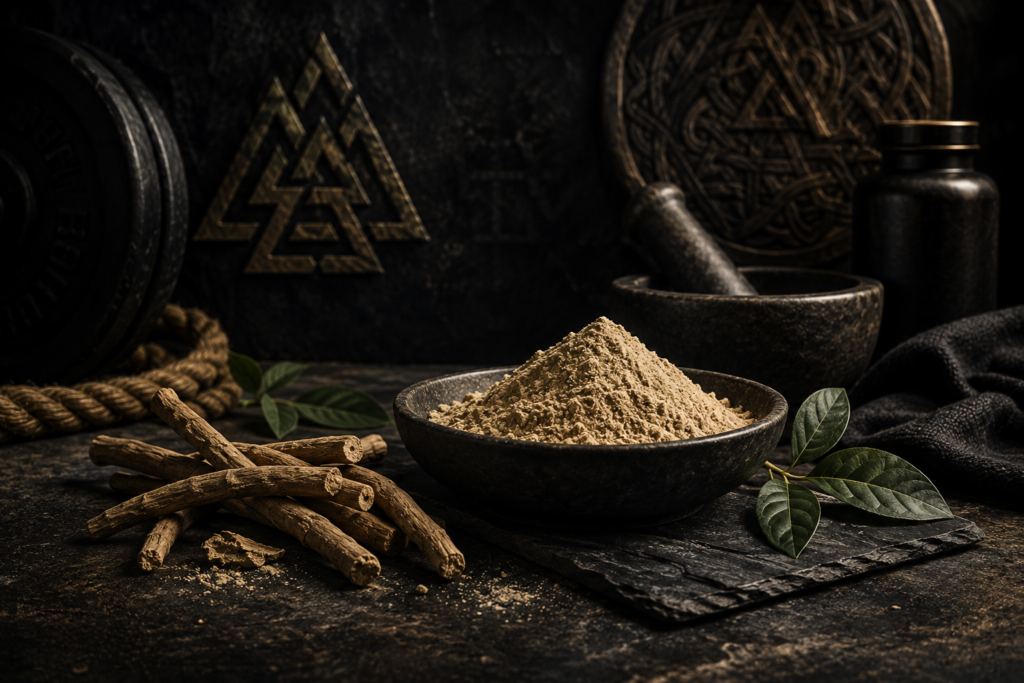
Extracts are produced by concentrating compounds naturally found in the plant, while powders are generally made from dried and ground plant material. These are simply different ingredient forms—they should not automatically be considered better or worse.
If you’re specifically looking for an extract, always check the ingredient declaration rather than relying on the product name alone.
For example, our Ashwagandha Extract 450 mg 180 Vcaps clearly specifies its extract content on the product page.
2. Serving Size Matters More Than Bottle Size
It’s easy to compare products by counting tablets or capsules, but that’s not always the best approach.
Instead, compare:
- Recommended serving size
- Cantidad por ración
- Number of servings per container
- Directions for use
Two bottles may contain different numbers of capsules while providing a similar number of daily servings.
3. Check Whether the Product Is Standardised
Some ashwagandha extracts include information about standardisation on the label. This simply describes certain naturally occurring compounds present in the extract.
Not every manufacturer provides the same level of detail, so reading the full ingredient information can make product comparisons easier.
4. Single-Ingredient or Combination Formula?
Some endurance athletes prefer supplements that contain only one botanical ingredient. Others choose combination products for convenience.
Por ejemplo, AllNutrition Ashwagandha + Guarana combines ashwagandha with guarana in the same capsule, making it different from products that contain only ashwagandha.
The right option depends on your own supplement routine and personal preferences.
Tablets or Capsules?
One of the most common questions when comparing ashwagandha supplements is whether tablets or capsules are the better choice. In reality, neither format is universally better. The right option depends on your personal preference and how easily a supplement fits into your daily routine.
Tablets
Tablets are a popular choice because they are compact, easy to store, and often contain straightforward ingredient lists. Many athletes already use tablets for vitamins and minerals, making them a familiar option.
If you prefer tablets, you can compare products such as:
Capsules
Capsules are another common format and are available in both gelatin and vegetarian versions, depending on the manufacturer. They are often used for concentrated extracts and botanical blends.
One example is Double Wood Supplements Ashwagandha 120 Capsules, which offers a capsule-based option for those who prefer this format.
Ultimately, choosing between tablets and capsules comes down to convenience, ingredient preferences, and your existing supplement routine.
How Ashwagandha Can Fit Into an Endurance Nutrition Routine
Most experienced endurance athletes know that supplements are only one part of a much bigger picture. Consistent training, adequate recovery, balanced nutrition, hydration, and sufficient sleep remain the foundation of long-term progress.
If you decide to include an ashwagandha supplement, it should be viewed as one component of your overall nutrition strategy rather than the centre of it.
Many athletes prefer to keep their supplement routines simple. A routine that is easy to follow consistently is often more practical than one involving a large number of different products.
Questions to Ask Before Buying
Before choosing an ashwagandha supplement, consider the following questions:
- Does the product contain root powder or a concentrated extract?
- How many servings are included in the container?
- Is the recommended daily serving clearly explained?
- Does it contain additional botanical ingredients?
- Do you prefer tablets or capsules?
- Is the ingredient list easy to understand?
- Does the manufacturer provide clear product information?
Answering these questions can make it easier to compare products objectively instead of relying on marketing language.
Quality and Label Transparency
When comparing food supplements, it’s worth spending a few extra minutes reading the label. A transparent product page should clearly describe the ingredients, serving size, directions for use, and any additional components included in the formula.
Useful information to look for includes:
- Complete ingredient list
- Cantidad por ración
- Number of servings per container
- Recommended daily intake
- Storage instructions
- Manufacturer information
Products that provide clear and detailed information make comparisons much easier.
Should You Choose a Single Ingredient or a Blend?
Some athletes prefer a single-ingredient supplement because it allows them to organise each product individually within their nutrition routine. Others appreciate combination products that reduce the number of separate supplements they use each day.
Neither approach is automatically better. The best choice depends on your own preferences, existing supplementation, and how simple you want your routine to be.
Conclusión práctica
Choosing an ashwagandha supplement doesn’t have to be complicated. Instead of focusing on bold marketing messages, compare products using objective information such as the ingredient form, serving size, product format, and label transparency.
Whether you prefer tablets, capsules, extracts, or combination formulas, taking a few minutes to read the product information can help you select an option that fits naturally into your endurance nutrition routine.
Preguntas frecuentes
Is there an authorised EU health claim for ashwagandha?
At the time of writing, there are no authorised EU health claims specifically approved for ashwagandha. Product information should therefore be evaluated using objective criteria such as ingredients, serving size, and formulation.
Is an extract better than root powder?
They are different ingredient forms rather than better or worse options. Reading the product label is the best way to understand what each supplement contains.
Should I choose tablets or capsules?
Both formats can be suitable. Your decision will usually depend on convenience, ingredient preferences, and which format best fits your daily routine.
Can I take ashwagandha alongside other supplements?
Many people include several supplements within their nutrition routine. Always follow the manufacturer’s recommended daily intake and read the product label carefully. If you have questions about combining supplements with medicines or have an existing medical condition, consult an appropriate healthcare professional.